How I’m Teaching My Kids About the Invisible Load of Managing a Home

If there’s one topic that doesn’t get enough credit in day-to-day life, it’s the invisible load of running a home. It’s the sort of labor you don’t see on a to-do list, because it’s less about the action and more about the awareness—the quiet hum of thoughts running through your mind as you mentally inventory everything that needs doing, from mundane chores to unplanned emergencies. Most new moms don’t realize the importance of teaching this lesson to their kids. I believe this is a lifelong lesson that they (especially the boys) definitely need to get their grips on. This is ongoing. It’s a series of conversations that I hope will help them not only understand but also respect the mental load behind managing a household.


The Mental Load: Noticing, Then Acting

I explained to them that there’s a hidden step to every single household task, and it’s noticing that something needs to be done. It’s looking at a pile of laundry on the floor and realizing that’s your cue to start a load. It’s noticing that the trash is creeping up the sides of the bin and needs taking out, or that the empty milk carton sitting in the fridge door should probably be replaced. This “noticing” is the silent, often unseen step that precedes everything else.

I don’t want them to think that chores simply appear, neatly itemized, like characters in a video game quest. There’s no pop-up notification when something’s ready to be handled. Instead, managing a home starts with awareness and self-motivation—skills that I believe will serve them well beyond household chores.

What “Invisible Load” Really Means

In my mind, understanding the invisible load is understanding that managing a home is more than doing tasks. It’s managing the mental inventory of those tasks, anticipating what will be needed next, and being proactive instead of reactive. This kind of labor can’t be crossed off in one go; it’s an ongoing effort, a set of habits built over time, and a very important skill to be learnt.

I told my kids that the invisible labor includes thinking ahead: knowing that grocery shopping isn’t just about what’s on the list today but what will be missing tomorrow. It means considering everyone’s needs and being ready to act on them, even if no one asked. It’s subtle, continuous work that’s just as important as physical tasks because it prevents little problems from growing into bigger ones.
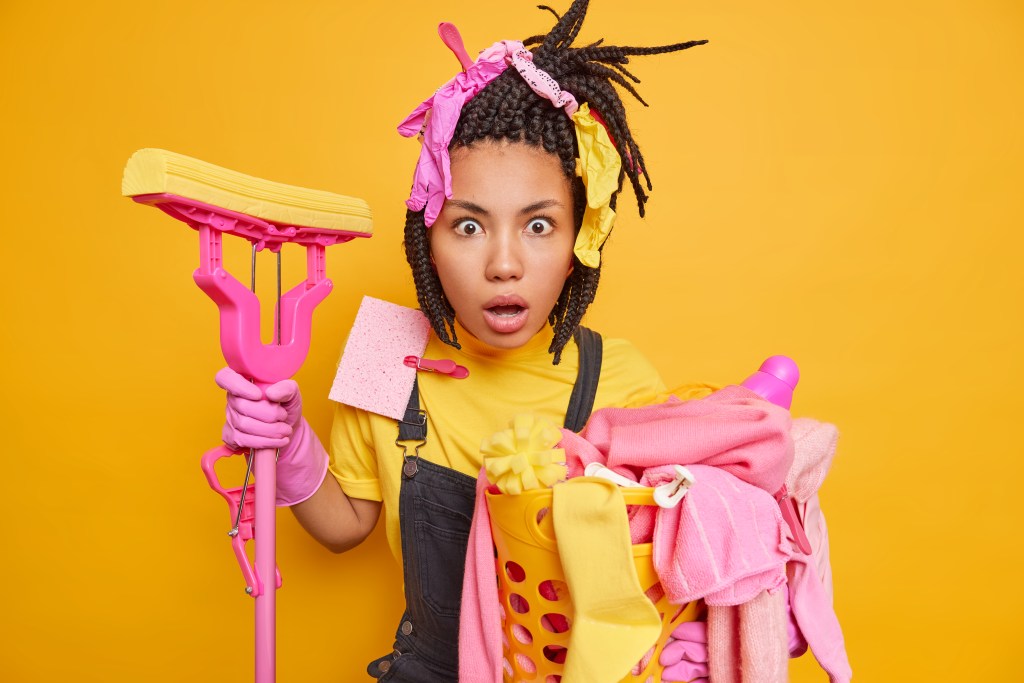
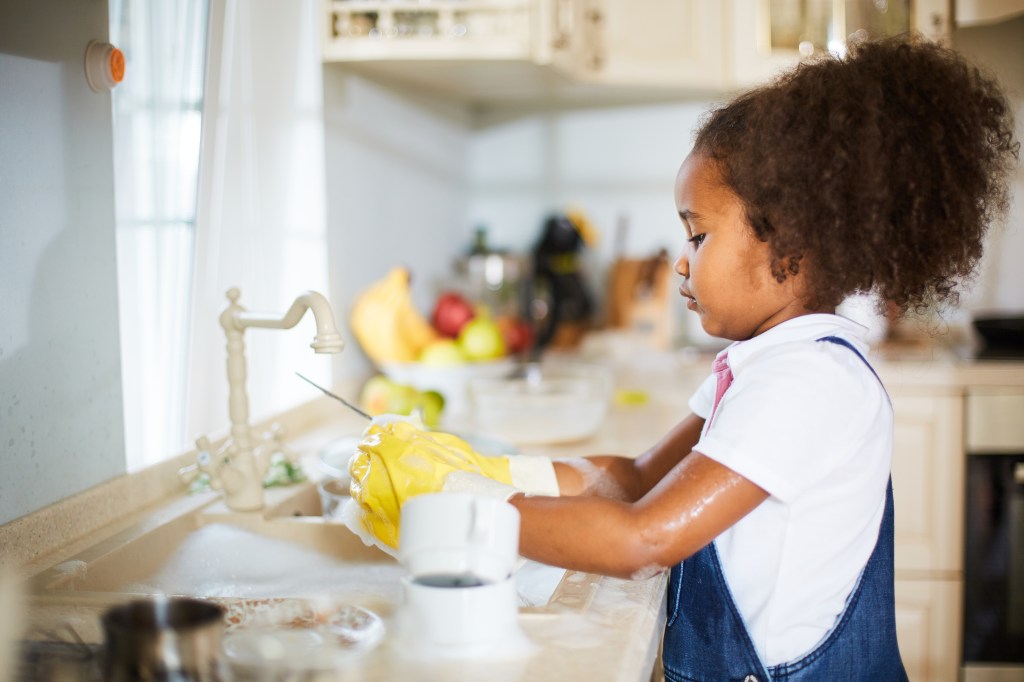
So, how do you make these concepts stick? I started with simple steps. If they notice something that needs doing—whether it’s a spilled drink or a missing toilet roll—I ask them to address it. This practice does two things: it gets them into the habit of acting without being told, and it gives them the satisfaction of a job well done. I explain that noticing and taking action without prompting isn’t just helpful; it’s the foundation of a well-functioning household. I want them to see that these small acts of attentiveness are part of their own contributions to our home.

Beyond the Household

What’s satisfying about these conversations is that they’re not just about teaching responsibility at home. They’re about building life skills my kids will carry with them, whether it’s in a future apartment, at work, or in their relationships. Recognizing when something needs attention and taking initiative to fix it without being told—that’s invaluable. It’s understanding that the invisible load exists everywhere, not just in managing a home, and that actively sharing this load is a fundamental aspect of respect and collaboration.

The mental load of running a household isn’t about the tasks themselves, but about the care, the attention, and the foresight it requires. By having these conversations now, I hope to give my kids a sense of this often-overlooked labor. After all, being aware of what needs to be done is the first step, and it’s a skill as essential as any chore they’ll ever do.

Written by ~ Elzett Kotze


Creativity Has No Expiration Date: The Ageless Nature of Art

Why does the world love an ‘overnight success’ story? For some reason we adore a prodigy, and are quick to celebrate youthful geniuses. But, the path to recognition for many artists doesn’t always begin at the start….

There’s a few examples of exceptional artists today, that only got seen very late in their lives.

Take Louise Bourgeois, for example. She is one of the most recognized names in the art world today. But, she only created her most famous sculpture, Maman, after she turned 88 years old.


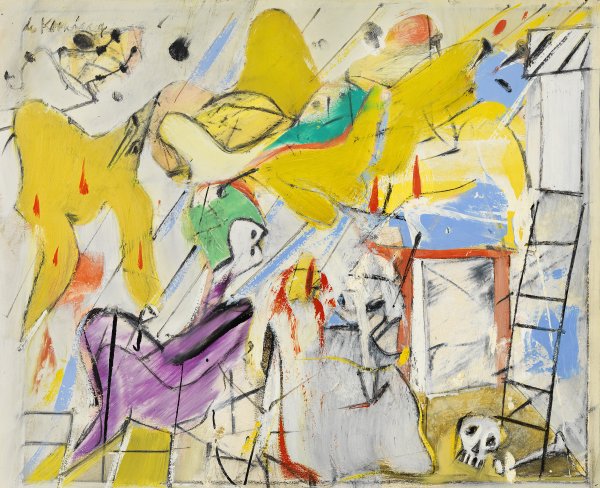
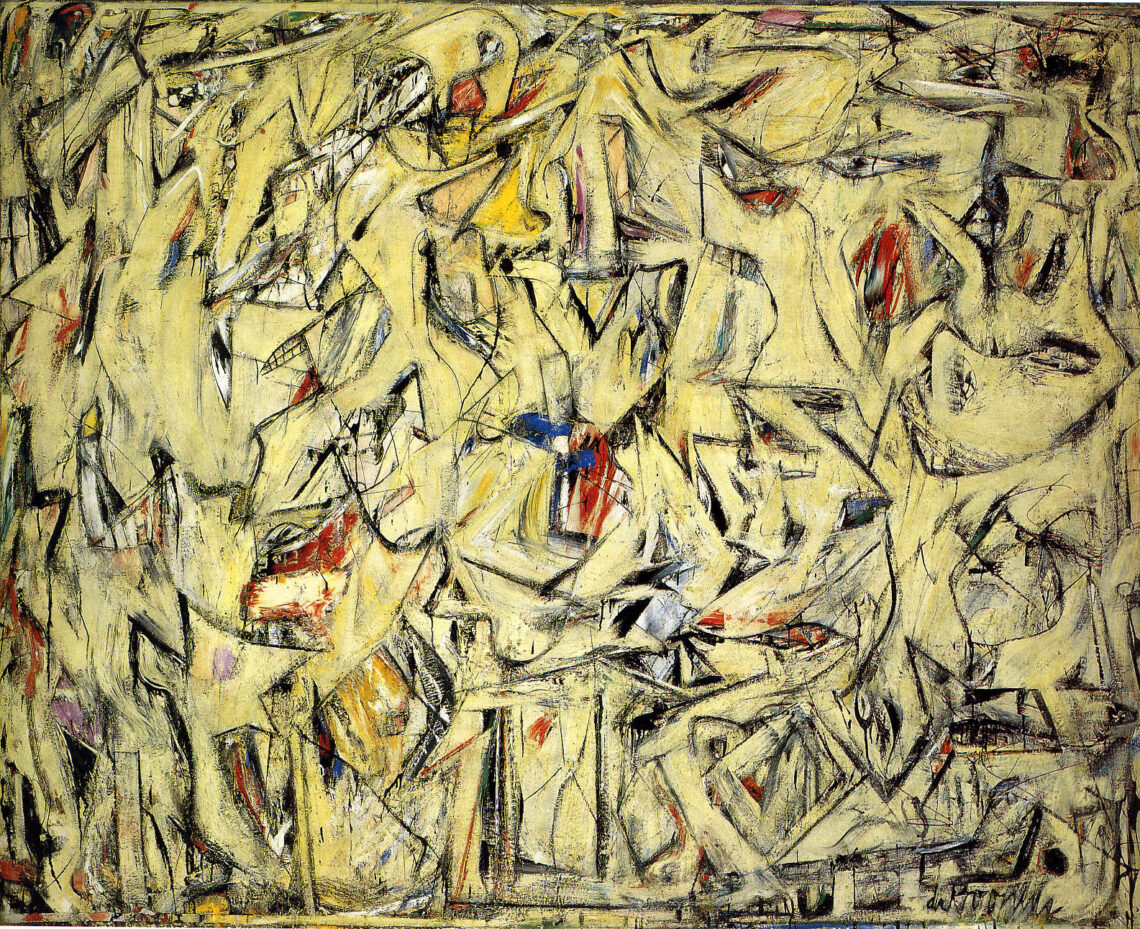
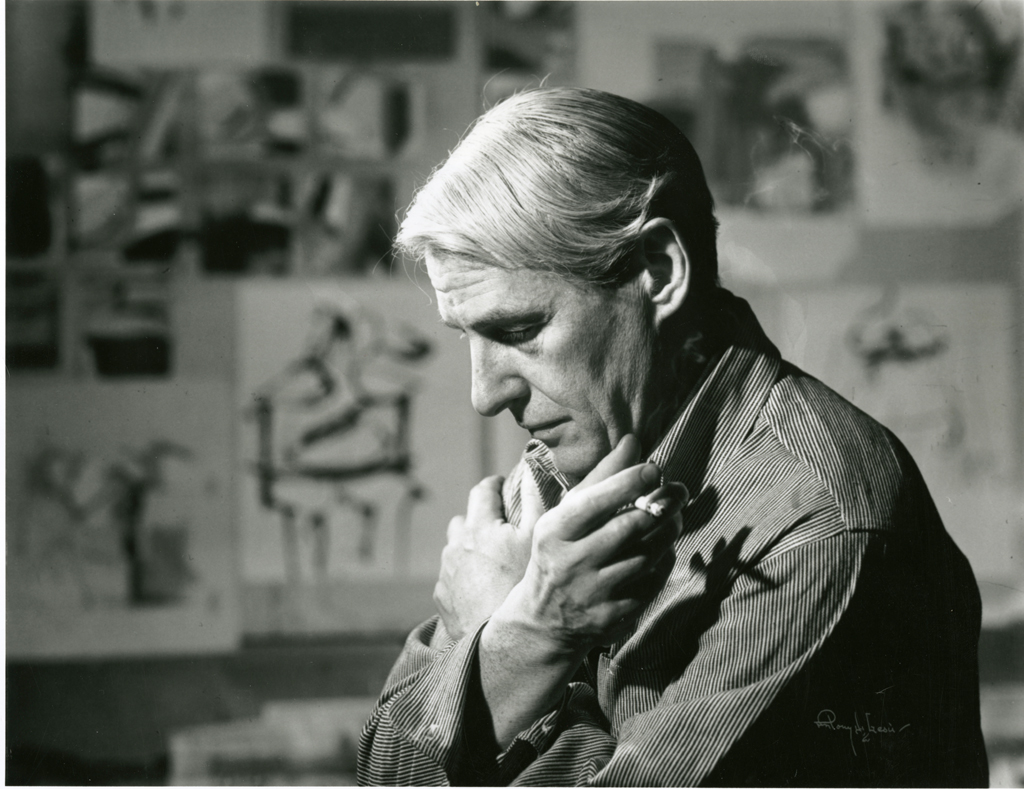
Another big name in the art world is Willem de Kooning. He worked as a house painter to support himself and his family. At the age of 44, he had his very first solo show.


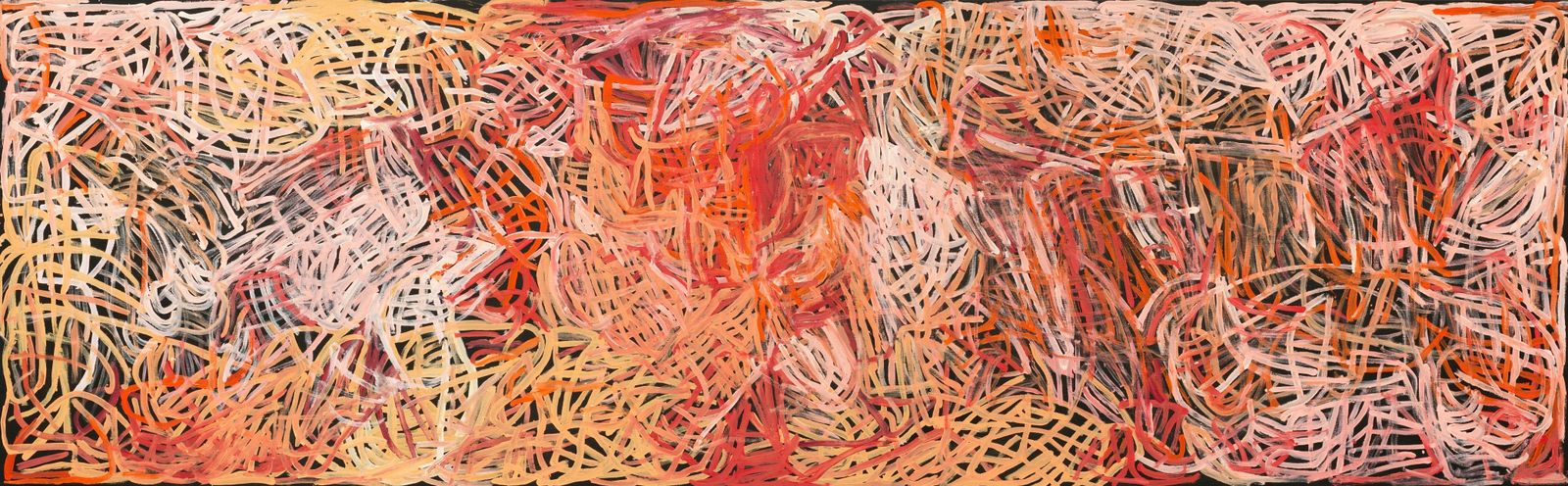
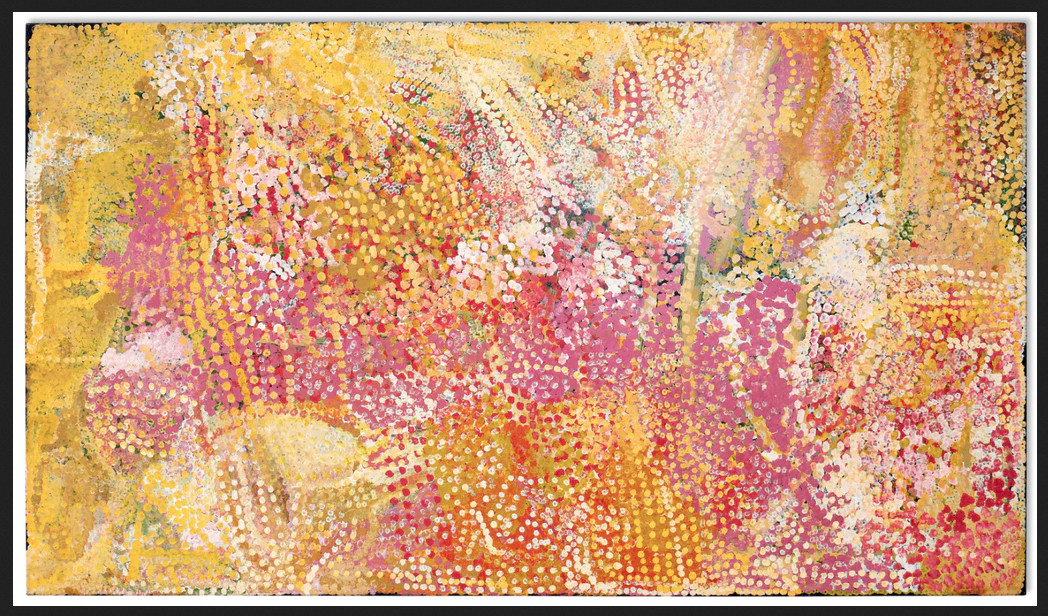
Emily Kam Kngwarrey is another big name and her most beloved work are the NGV Collection….she first began her painting practice well into her 80s.

So, why don’t we adore these icons and legends more than the young prodigies of today?

The truth is, we’re conditioned to see creativity as a youthful trait, something that fades with age like a fleeting spark. But these stories show that creativity isn’t bound by time; it can be cultivated, deepened, and even discovered in later years. There’s something genuinely remarkable about artists who defy the stereotype, proving that true art is born from a lifetime of experiences, perspectives, and resilience—not just the boundless energy of youth.

Take these artists as proof: creativity isn’t always a sprint to fame in one’s twenties; for many, it’s a marathon, with years of learning, adapting, and, most importantly, honing one’s craft. The magic of age in the creative process lies in the richness it brings. Every year, every challenge, every triumph and setback adds layers of insight and depth to an artist’s work. And when an artist finally emerges into the public eye, it’s often not with the impetuousness of youth but with a calm, powerful confidence that resonates across generations.

The cultural obsession with the ‘young genius’ blinds us to the invaluable wisdom that older creators bring. We love the idea of raw, natural talent, but what about talent refined by years of life experience? What about art that reflects the complexities of life as only someone who’s lived decades could capture? Just as wine matures over time, so too does creativity. It becomes bolder, fuller, and more profound. When we see an artwork born from years of life’s highs and lows, it feels like a privilege—a window into a soul that has truly lived.

So, why don’t we celebrate these late-blooming icons more? Perhaps it’s time we shift the narrative to honor the slow bloom, the creators who spend years sowing seeds of brilliance that eventually blossom. Art is ageless; it doesn’t require a specific phase of life. Instead, it thrives at any age, whenever the artist is ready. Creativity has no expiration date—our minds and spirits are always capable of new, meaningful expressions, regardless of how many years we’ve been around. And that’s something worth celebrating, over and over again.

Written by ~ Elzett Kotze

Coping with Change

Coping with change is difficult, especially if you are a 7-year old little boy who doesn’t understand life and, who doesn’t really want to grow up. This is my little boy…..the first child I’ve ever met that doesn’t really want to grow up, because when he grows up things will change. (his words) So, how do you teach your child to cope and accept change? Is this a coping skill he must just learn on his own as life goes on, or are there real things you can teach him?

The above paragraph I wrote about 3 years ago. Unfortunately, this was also the last time I’ve written anything in my ‘Life Zone’ blog. Life started, I got busy with ‘other’ things and I just didn’t have time / make time to write anymore. I’m not a good writer at all, but I like to put what is on my mind on paper. This is my way of processing things in order to figure it out and make sense of it.

We now find ourselves in a time of tremendous change and this question popped up in my mind again. The one thing that I’ve learned during this Covid-19 lock down period, is how easy it is to learn new skills or just rekindle old passions. As a child I always loved drawing and I started painting and drawing again. For some color-love please visit my Instagram page @tlgs.studio (The Little Green Shop)

So, to get back to coping with change. I’ve done a little bit of research and the one certainty that I could find is that, in live, everything will always change. We don’t have control over it, but what we can control is how to deal with the change and how to learn form the change. I’m a very organized person, who loves making lists and can very quickly think of the next arty / crafty thing I must / can do – I totally respect that everybody isn’t like that and for some people dealing with change can be difficult. So, how do you deal with change?

Firstly, realize that you feel stressed about the change that is happening in your live. Change and stress always go hand-in-hand. For a very young 7-year old this can be difficult, so I taught my children that whenever they are sad for a long time (day or more) or if they don’t feel well in the stomach that the first thing they must do is come and tell either myself or their Dad. They might not yet know what is stress, but they do know when they are sad about something.

Secondly, realize that all change aren’t necessarily bad, but it will always be accompanied by stress. Hence, the reason why self-knowledge / knowing yourself is so important. Know how you will react or feel during certain situations.

“TAKE LIFE DAY BY DAY AND BE GRATEFUL FOR THE LITTLE THINGS. DON’T GET CAUGHT UP IN WHAT YOU CAN’T CONTROL. ACCEPT IT AND MAKE THE BEST OF IT”

Hand-lettering (and Calligraphy)

It is sometimes so exciting when starting a new hobby. I’ve recently started with hand-lettering and calligraphy (please note that these two are not the same…more about that later) and I cannot tell you how I love it. I love the way the words just flow out of the pen, and I even love it more when I know I can do this. After all, practice makes perfect….my mother use to say.  I love the feeling I get in my brain, it’s almost as if the serotonin just flows freely and accumulate with each and every letter I make. The reason for all of this is that you actually use a different part of the magical grey matter, called your brain (something else that really fascinates me). According to The Wall Street Journal forming letters is a key component to learning, memory and ideas.

After starting with my very satisfying hobby, the researcher in me also got curious, and I started reading up on calligraphy and hand-lettering and where it actually comes from.

According to our online encyclopedia Wikipedia it is the “art of giving form to signs in an expressive, harmonious, and skillful manner.” – Wikipedia

Or, as per the Chinese, the art of writing. In traditional China this visual art form was prized above all others.

So, after all the facts I read I realized I’m even more drawn to it, and cannot wait to start with my next worksheet to even train my brain further.

If you ask me “How do you start”, I will answer the following:

  • Pick up a pen, any pen
  • Print out a worksheet (there’s thousands available online, but the best you will find at The Postman’s Knock)
  • Start writing

It is not an expensive hobby and anybody can do it at any age. I started with a normal ball point pen. Once I have it completely mastered I will move on to all the different nibs and ink.

Through writing I’ve discovered a whole new part of me….and I’m loving it.

Please note that all art work displayed in this post are not yet mine, as I’m still a student learning the art. So, a big, fat thank you to all the artist, and Pinterest, for providing the inspiration.